Sea Lapland – A Connected Northern Industrial Region
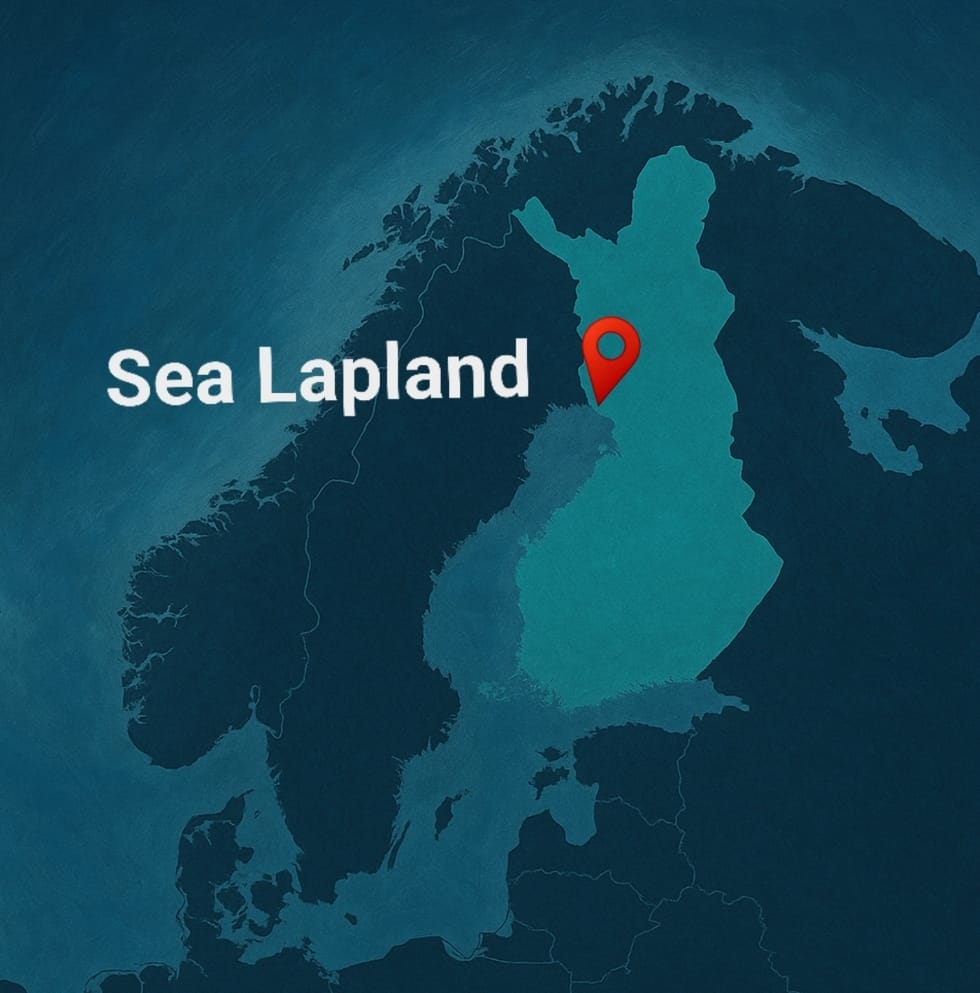
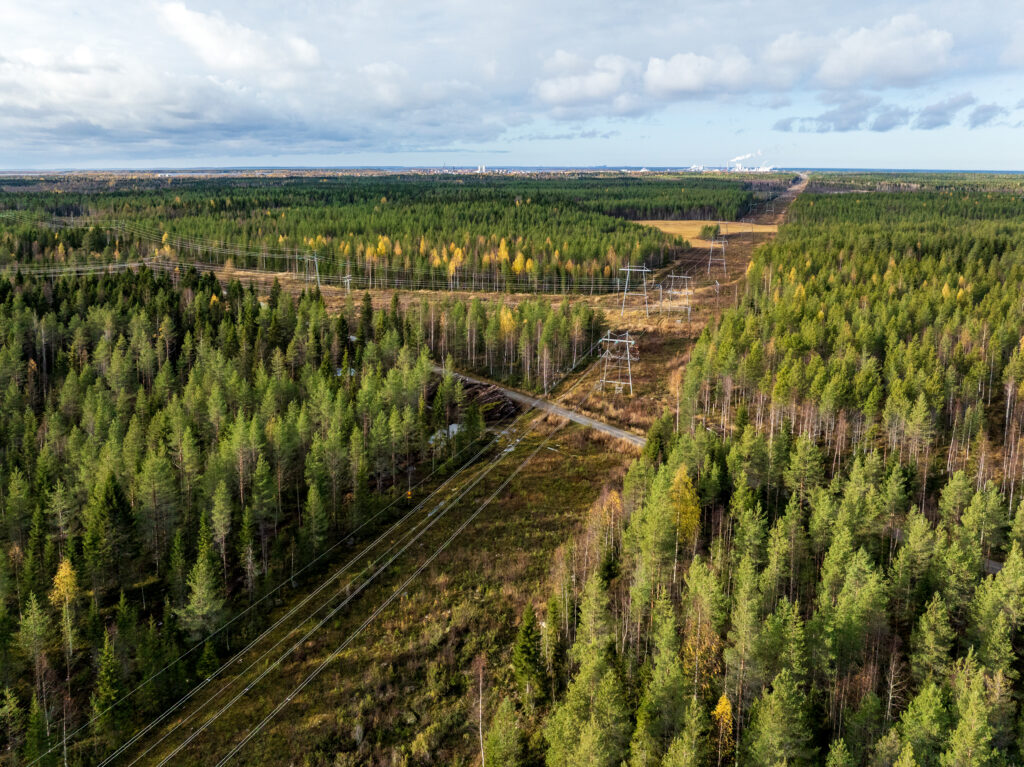
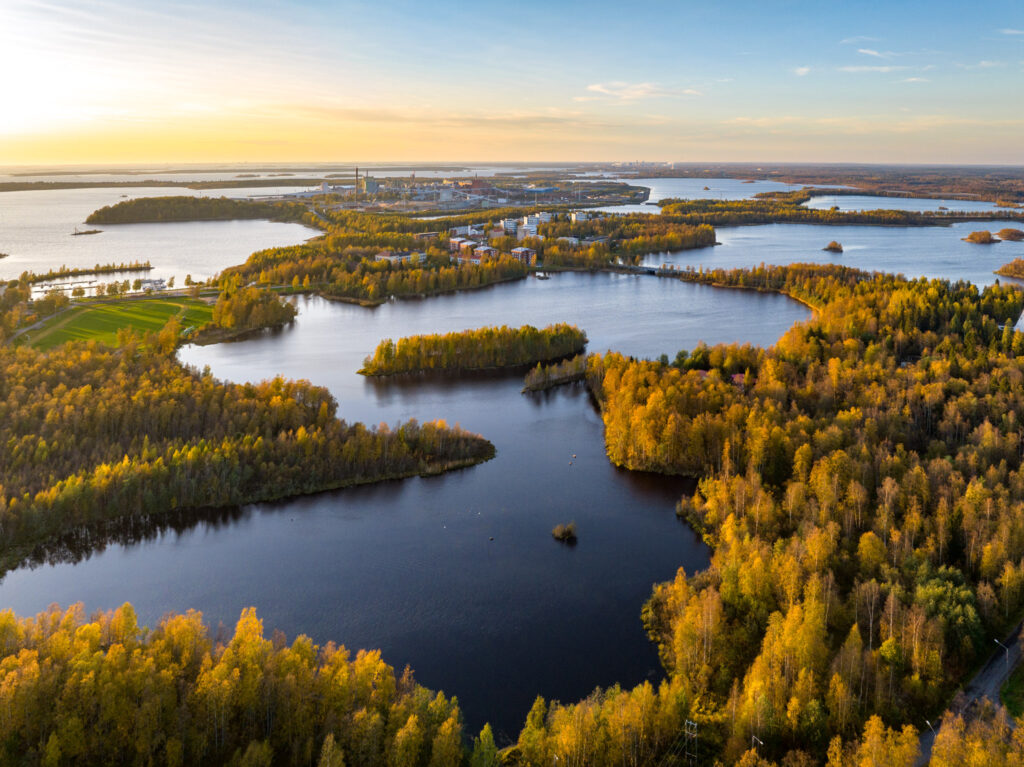
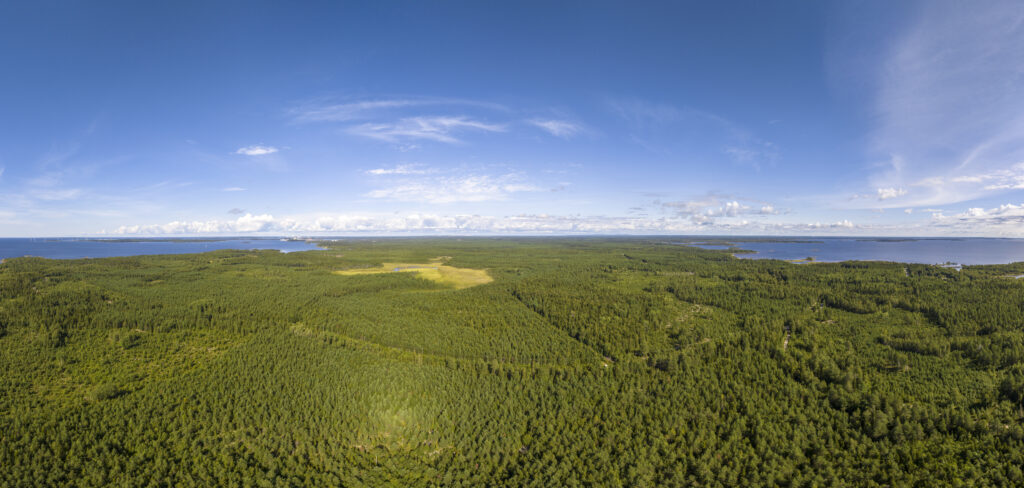
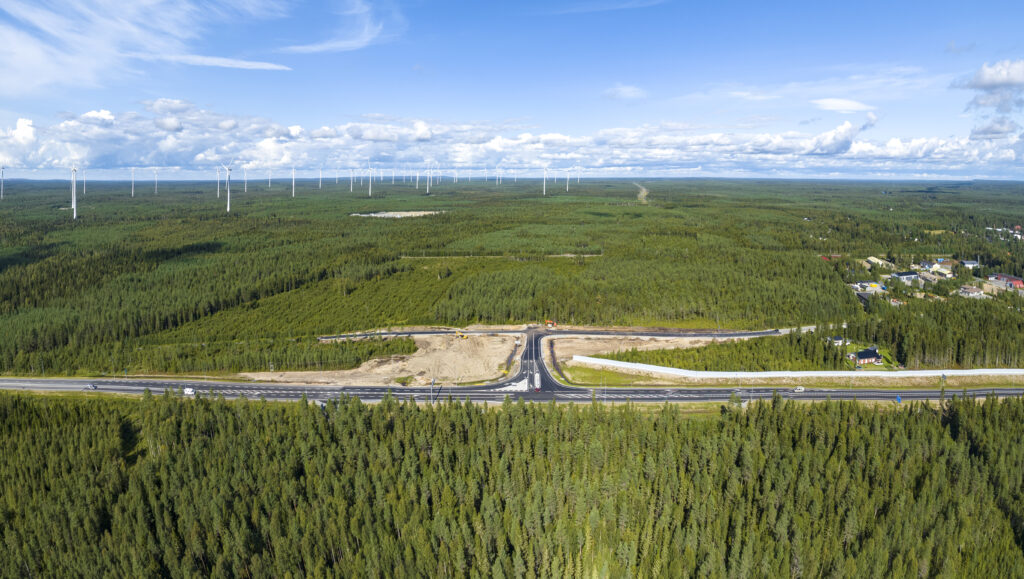
Sea Lapland is a northern industrial region where Finland’s Arctic logistics, strong energy base and cross-border business connections converge. Spanning the municipalities of Kemi, Tornio, Keminmaa Simo and Tervola, the area combines deep-sea ports, heavy-industry clusters, flexible industrial land, and reliable access to clean electricity.
With a long tradition in processing industries and a rapidly evolving energy ecosystem, Sea Lapland offers a uniquely scalable environment for hydrogen, P2X and next-generation industrial projects — supported by close municipal cooperation and a unified regional development strategy.
Interactive map of Industrial Parks
Digipolis Maps with all available data.
Sea Lapland’s Competitive Advantages
InfraReady-made industrial infrastructure
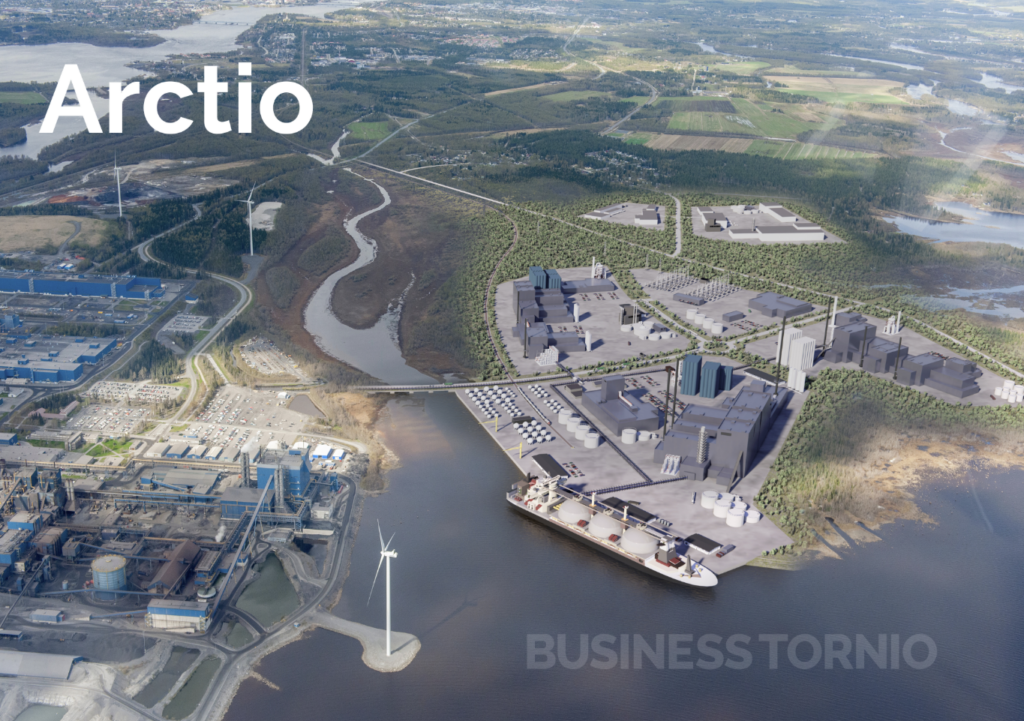
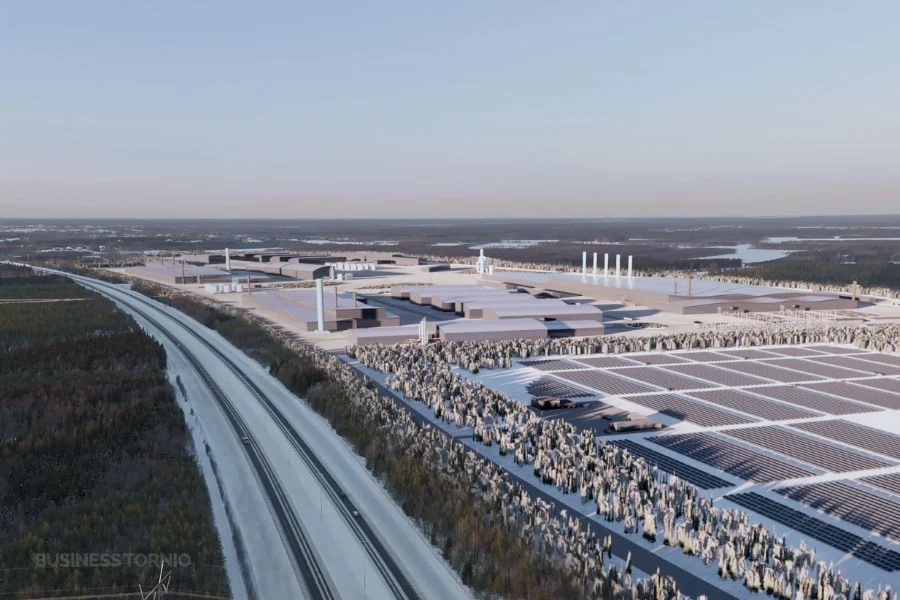
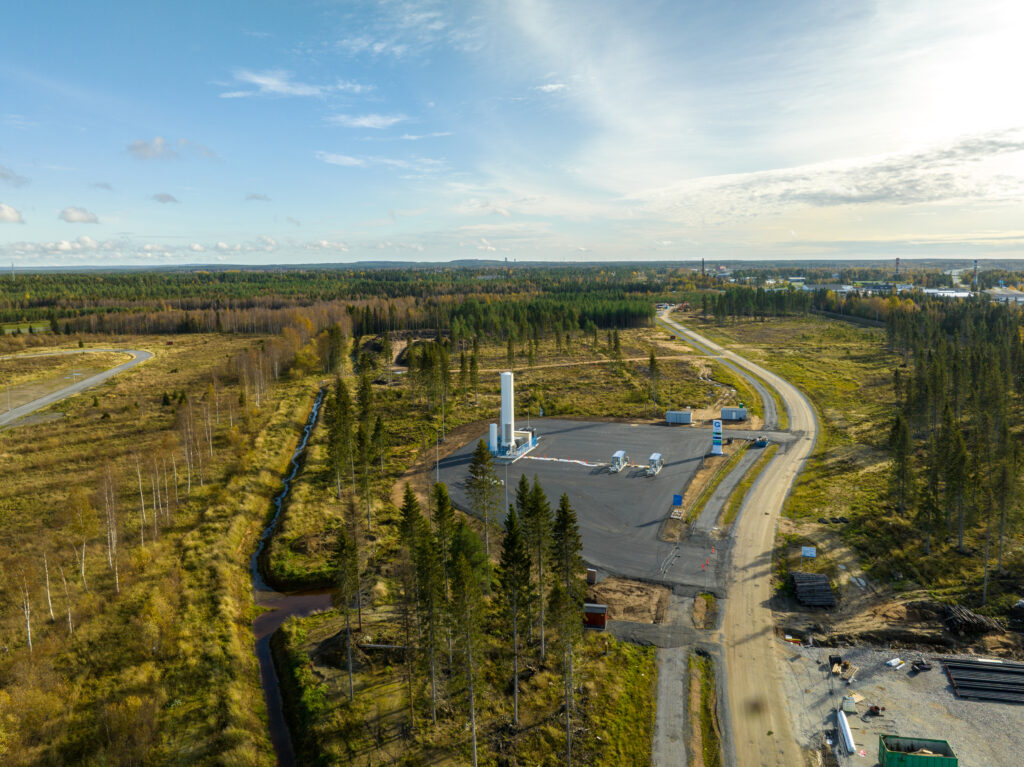
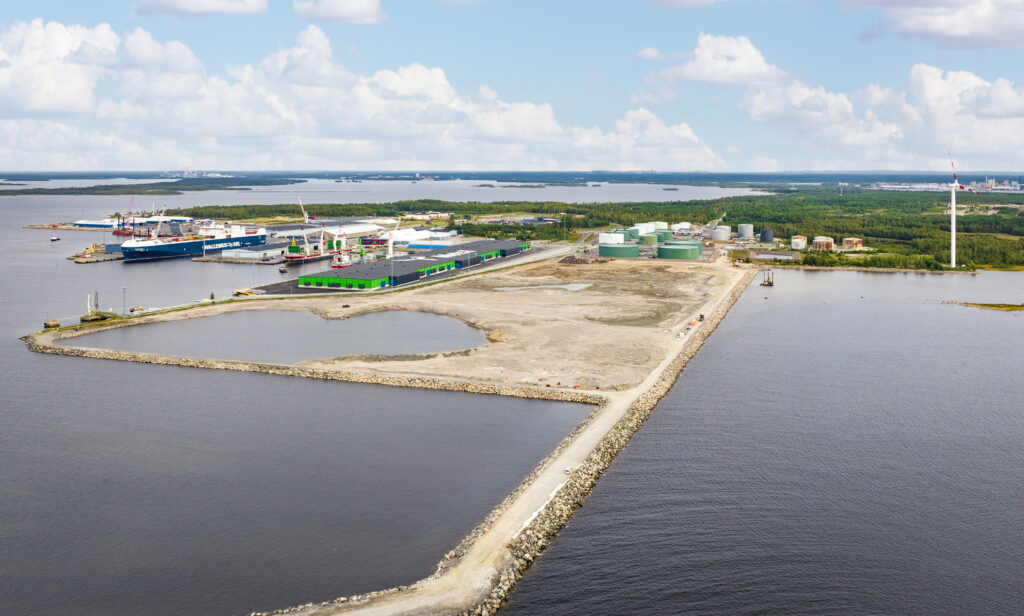
Sea Lapland offers pre-zoned industrial parks, deep-sea port access, rail connections, district heating networks and strong grid capacity. This comprehensive infrastructure dramatically reduces setup time and initial CAPEX, enabling rapid and cost-efficient project deployment.
EnergyEnergy security and flexibility
The region provides access to stable, competitively priced electricity, balancing a hydropower-based foundation with significant renewable energy potential (wind and solar). This combination supports sustainable hydrogen production, predictable long-term energy costs and industrial load-flexibility needs.
LogisticsEfficient logistics and exports
Deep-sea ports, freight rail lines and major highways connect Sea Lapland to both domestic and global markets. Investors gain efficient transport routes suitable for heavy industry, bulk products and hydrogen-based energy carriers, strengthening export competitiveness from day one.
IndustryIndustrial clusters and supply chains
Sea Lapland hosts a strong heavy-industry ecosystem with established production facilities and extensive downstream supplier networks. This makes the region ideal for integrated hydrogen value chains, green chemicals production or CCUS-enabled manufacturing, offering scale advantages and reduced operating costs.
EcosystemSupportive institutional environment
The Sea Lapland Development Centres provide investment guidance, coordinate regional activities and facilitate cooperation between municipalities. This institutional support streamlines permitting, planning and project execution, reducing administrative friction for investors.
EducationSkilled workforce and education
The region has a robust industrial talent base supported by educational institutions specialising in energy, process industries and logistics. Tailored training programs and strong R&D collaboration capabilities ensure long-term access to qualified labour and continuous competence development for emerging hydrogen and industrial projects.
Next Steps
If you are interested in exploring hydrogen or P2X investment opportunities in Sea Lapland, we welcome you to:
- Request detailed technical data (grid capacity, land plots, zoning, environmental permits) for any of the sites above.
- Contact the Sea Lapland Development Organizations to coordinate site visits, studies or local partnerships.
- Explore synergies with existing industries for co-location, CO₂ capture, renewable energy integration or downstream value chains.
Tero Siivola
CEO, Business Tornio OyKimmo Heikka
CEO, Digipolis OyVivi Marttila
Mayor, Municipality of SimoHannele Matinlassi
Mayor, Municipality of Keminmaa